How to Find a Hard Detroit Beat in 2026 and Use a Free One Without Breaking License Rules
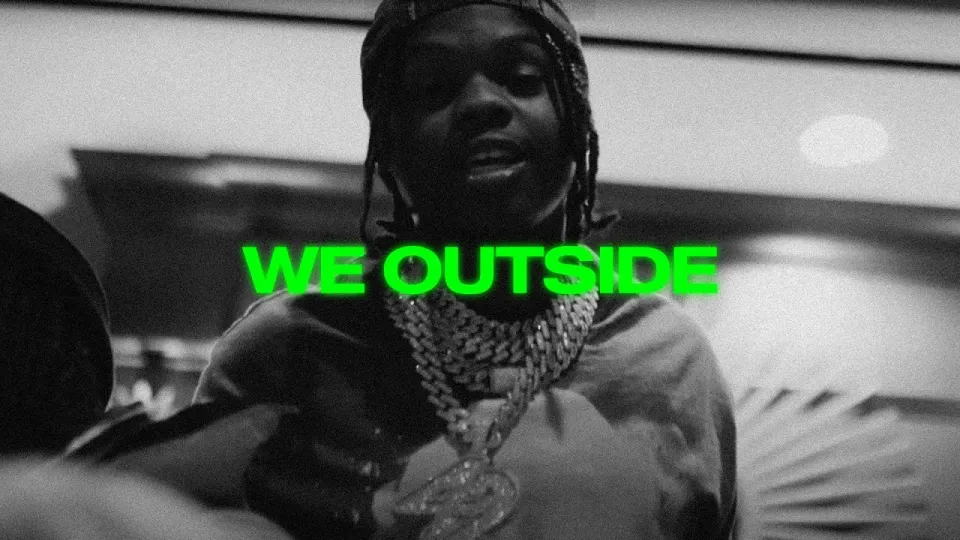
Video: (FREE) HARD DETROIT TYPE BEAT 2024 - "WE OUTSIDE"
Want articles like this for your own video to promote it on YouTube and Google? Order them through the Telegram bot @sat_sit_bot. Articles with your video embedded are written and posted by the bot itself — on popular topical sites (no ads). Your first 50 articles are free.
· based on the channel davegotbeats
Key takeaways
- Detroit beat = 140–160 BPM, minor-key piano or synth loops, off-beat bass stabs, triplet hi-hats and punchy 808s.
- davegotbeats' "WE OUTSIDE" is a free hard Detroit type beat; the paid license via https://bsta.rs/XPubtt is required for streaming on Spotify and Apple Music.
- The channel's own comment offers a buy-2-get-2-free deal on beats purchased through that BeatStars link.
- Free downloads are for demos, practice and non-monetized uploads; any release that earns money or hits streaming platforms needs a lease or exclusive.
- Artists in the comments report writing and recording full songs on this beat within days of its release, so the tempo and arrangement are rapper-friendly.
A hard Detroit beat is a rap instrumental built on a dark minor-key melody, heavy 808 bass, fast triplet hi-hats and a tempo usually between 140 and 160 BPM, and you can get one for free right now from producer davegotbeats — his track "WE OUTSIDE" is downloadable via the BeatStars purchase page, where the paid license for streaming is also handled. The beat is free to use for demos and practice, but the moment a song built on it lands on Spotify or Apple Music, a lease becomes mandatory. That single rule is what separates a fun bedroom recording from a release that can be taken down.
What actually makes a beat sound like Detroit
Detroit rap production is less a genre than a set of production habits that grew out of the city's scene and then spread nationwide. The defining traits are consistent enough that you can identify the style within the first four bars.
- Tempo. Most hard Detroit beats sit between 140 and 160 BPM. That range lets a rapper ride the beat in double time or half time without the instrumental feeling slow.
- Melody. A short, looping piano or synth phrase in a minor key carries the track. It is usually four to eight bars long, repetitive on purpose, and mixed slightly dark rather than bright.
- Bass. The 808 does the heavy lifting. Detroit-style low end tends to be long, distorted and sliding rather than short and punchy, which is why the beats translate well to car systems.
- Drums. Kick patterns are sparse, snares are sharp, and hi-hats roll in triplets. Claps often double the snare for weight.
- Space. There is usually a lot of empty room in the arrangement so the vocal sits on top without fighting the melody.
"WE OUTSIDE" follows that template closely, which is exactly why it works as a type beat: it gives an artist a finished-sounding backdrop without dictating a specific flow.
How to get the free hard Detroit type beat
The download path is short, but the order of steps matters if you want to stay on the right side of the license.
- Open the purchase page linked in the video description.
- Choose the free download option to get the tagged or untagged MP3, depending on what the producer offers at that tier.
- If you plan to release the song commercially, select a lease instead — the description states plainly that a license is required for streaming on Apple Music, Spotify and similar platforms.
- Keep the receipt or license file. Distributors such as DistroKid, TuneCore and Amuse may ask for proof of rights when a track gets flagged.
- Credit the producer in the title or description as "prod. davegotbeats" — it is standard practice and protects you if a claim is filed.
A free beat is not the same as a public-domain beat. Free means the producer is letting you use it under conditions; those conditions are written on the BeatStars page, not in the YouTube description alone.
Free download vs. paid lease: what you are actually buying
A free download is a demo license. It covers practice, reference tracks, freestyles, non-monetized YouTube uploads and SoundCloud posts with no ad revenue. It does not cover paid streams, sync placement, or any release that generates income.
A lease, by contrast, is a limited rental of the beat. Typical terms include a set number of distributed copies, a revenue cap, and permission to monetize on streaming platforms. Exclusives remove the beat from the market entirely so no one else can rap on it.
If you are unsure which tier you need, the honest test is simple: will the song make money or appear on a streaming service? If yes, buy the lease. If it is a demo you are posting for feedback, the free download is fine. The producer's own pinned comment on the video also mentions a buy-two-get-two-free offer, which is worth checking before you buy a single lease.
What artists in the comments are actually doing with this beat
The comment section under "WE OUTSIDE" reads like a snapshot of how type beats get used in practice, and it reveals a few recurring patterns.
Several listeners say they are writing to it immediately — one writes that they are about to make a song to it right now, another says they already recorded a track on it and uploaded it under a different title. That is the normal lifecycle of a type beat: it gets downloaded, rapped over, and released within days.
Others focus on the production itself, calling it a banger and predicting big view counts. A few commenters mention specific artists they would like to hear on it, and at least one references a collaboration they think fits. That is useful signal for a producer: the beat is being mentally matched with existing artists, which is exactly what a type beat is supposed to do.
There is also noise in the comments — unrelated promotional text, non-English verses, spam-adjacent posts. Ignore that layer and read the short, specific comments instead. The people saying "I rapped on this" are telling you the arrangement works for vocals.
Common questions before you download
Most hesitation around free type beats comes down to four things: whether the beat is really free, whether a tagged version is usable, how credit works, and what happens if the track blows up. The short answers are that free means free for non-commercial use, tagged versions are placeholders for demos, credit goes in the title or description, and a track that gains traction needs a lease upgrade — usually retroactively, which is allowed on BeatStars as long as you pay before distribution.
One more practical point: always check the BPM and key listed on the beat page before writing. Recording at the wrong tempo and then time-stretching the vocal is the fastest way to make a good Detroit instrumental sound amateur.
Where the Detroit sound is heading
Detroit-style production has been one of the most copied sounds in rap for years, and that has two effects. First, the market is flooded, so standing out requires either a distinctive melody or a genuinely unusual drum pattern. Second, the ceiling is high — producers who nail the formula get placements with artists far outside Michigan.
For an artist, that means the beat is rarely the bottleneck. A hard Detroit type beat like "WE OUTSIDE" already sounds release-ready. What determines the outcome is the writing, the mix of the vocal, and whether you handle the paperwork. Producers keep giving away free beats because it builds a pipeline: the free download becomes a lease, the lease becomes an exclusive, and the artist becomes a repeat client.
Final word
If you want a hard Detroit beat right now, "WE OUTSIDE" by davegotbeats is one of the cleanest free options available, and the download takes less than a minute through the BeatStars link. Treat the free tier as a demo license, upgrade to a lease the moment you plan to stream or monetize, and always keep your license file. This breakdown was put together around the work of the channel davegotbeats, whose catalog is worth browsing if the Detroit sound fits your style. Grab the beat, write to it today, and sort the paperwork before you release — that order keeps you out of trouble.
Questions & answers
Is the "WE OUTSIDE" hard Detroit type beat really free to use?
Yes, the download itself is free, but free means non-commercial use. You can practice, freestyle and post non-monetized demos, while any release that earns money or goes to streaming platforms requires a paid lease from the BeatStars page.
Do I need a license to put a song on Spotify or Apple Music?
Yes. The video description states explicitly that a license is required for streaming on Apple Music, Spotify and similar services. Buy the lease before you distribute, and keep the license file in case your distributor asks for proof of rights.
How should I credit the producer when I release the track?
Put "prod. davegotbeats" in the song title or the description, and keep the same credit on streaming platforms. Standard producer credit protects you if a content claim is filed and is usually a written condition of the lease.
What tempo and vibe should I expect from a hard Detroit beat?
Expect roughly 140 to 160 BPM, a dark minor-key piano or synth loop, long sliding 808s and rolling triplet hi-hats. That combination leaves room for a vocal, which is why artists in the comments report writing full songs on it quickly.
Source: (FREE) HARD DETROIT TYPE BEAT 2024 - "WE OUTSIDE" · Markdown version